Process Automation & Virtualization
Driving Efficiency Through Intelligent Automation
Sebleu helps organisations streamline operations and improve customer experiences through AI-driven automation, virtualisation, and scalable cloud solutions—making business faster, smarter, and more efficient.
Unleash Trapped Value with Intelligent Automation
Leading companies grow 5x faster by harnessing AI-powered automation to boost efficiency, speed innovation, and elevate experiences. By combining human ingenuity with intelligent systems, they drive resilience, adaptability, and transformative business value at scale.
What Are Process Automations and Virtualization?
Process automation and virtualization refer to the use of digital technologies—like AI, robotics, and cloud infrastructure—to streamline, simulate, and optimize complex workflows. Together, they reduce manual effort, improve efficiency, and enable real-time decision-making across industries.
Virtualization abstracts physical systems into digital equivalents, allowing for flexible, scalable, and interconnected operations. Automation, meanwhile, replaces repetitive tasks with intelligent systems that can act autonomously or assist humans. When combined, these technologies reshape entire life cycles—from design and production to reuse—transforming how industries operate and how society functions.
The Benefits of Process Automation & Virtualization
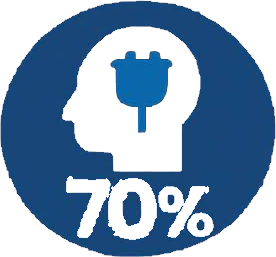
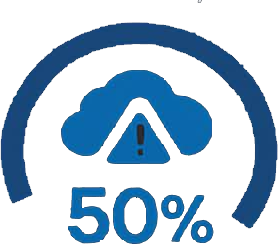
Process automation and virtualization help businesses reduce costs, increase efficiency, and improve reliability by automating workflows and minimizing manual tasks. They enable always-on systems, optimized performance, and a future-ready foundation for scalable digital operations.
Building Blocks to Becoming an Intelligent Enterprise

Intelligent Automation (IA) layers automation with AI technologies to transform how organizations work and deliver services. To fully realize its potential, businesses must pair these innovations with strong operational excellence and change management.
Robotic Process Automation (RPA)
Automates high-volume, repetitive tasks across existing systems, freeing employees to focus on value-added and customer-centric work—laying the groundwork for scalable data-driven operations.
Augmented Intelligence
Combines AI and machine learning to enhance human decision-making in areas like exception handling and process optimization, driving continuous improvement across business functions.
Conversational Intelligence
Enables seamless interactions via virtual agents and chatbots, improving engagement across internal teams, partners, and customers with intuitive, real-time communication.
Unlocking Value & Real-Time Decisions
Transforms data into actionable insights, empowering fast, informed decisions throughout the value chain. Long-term success relies on aligning automation with strategic business goals.
Unlocking Intelligent Automation: 4
Questions for Lasting Impact
IA + AI (Intelligent Automation + Augmented Intelligence) blends automation tools with AI to streamline operations and enhance decision-making.
To truly transform, ask:

Are Our Processes Clear?
Pinpointing friction in business processes is essential before implementing automation. Leaders must assess which workflows are causing delays, errors, or excess costs and determine whether incremental improvements will suffice or if a full redesign is needed. This isn’t just a question of process maps—it’s about rethinking workflows for human–machine collaboration. Automation can only succeed if embedded into processes that are well-defined, logically sequenced, and continuously monitored. Organizations should also consider operational interdependencies and potential bottlenecks across departments. A strong foundation in process clarity ensures automation efforts lead to tangible, scalable results.

Are People at the Core?
Automation succeeds when people are empowered, not displaced. This means cultivating a culture of openness to innovation and reskilling. Employees must clearly understand how automation will enhance their roles, not threaten them. The shift also requires new capabilities—ranging from digital literacy to process ownership—and redefining responsibilities around oversight, exception handling, and value creation. Leadership must drive engagement by communicating change, recognizing contributions, and aligning automation goals with personal development. When humans are placed at the heart of the transformation, organizations benefit from higher adoption, increased trust, and stronger collaboration between teams and machines.
Is Governance Built to Scale?
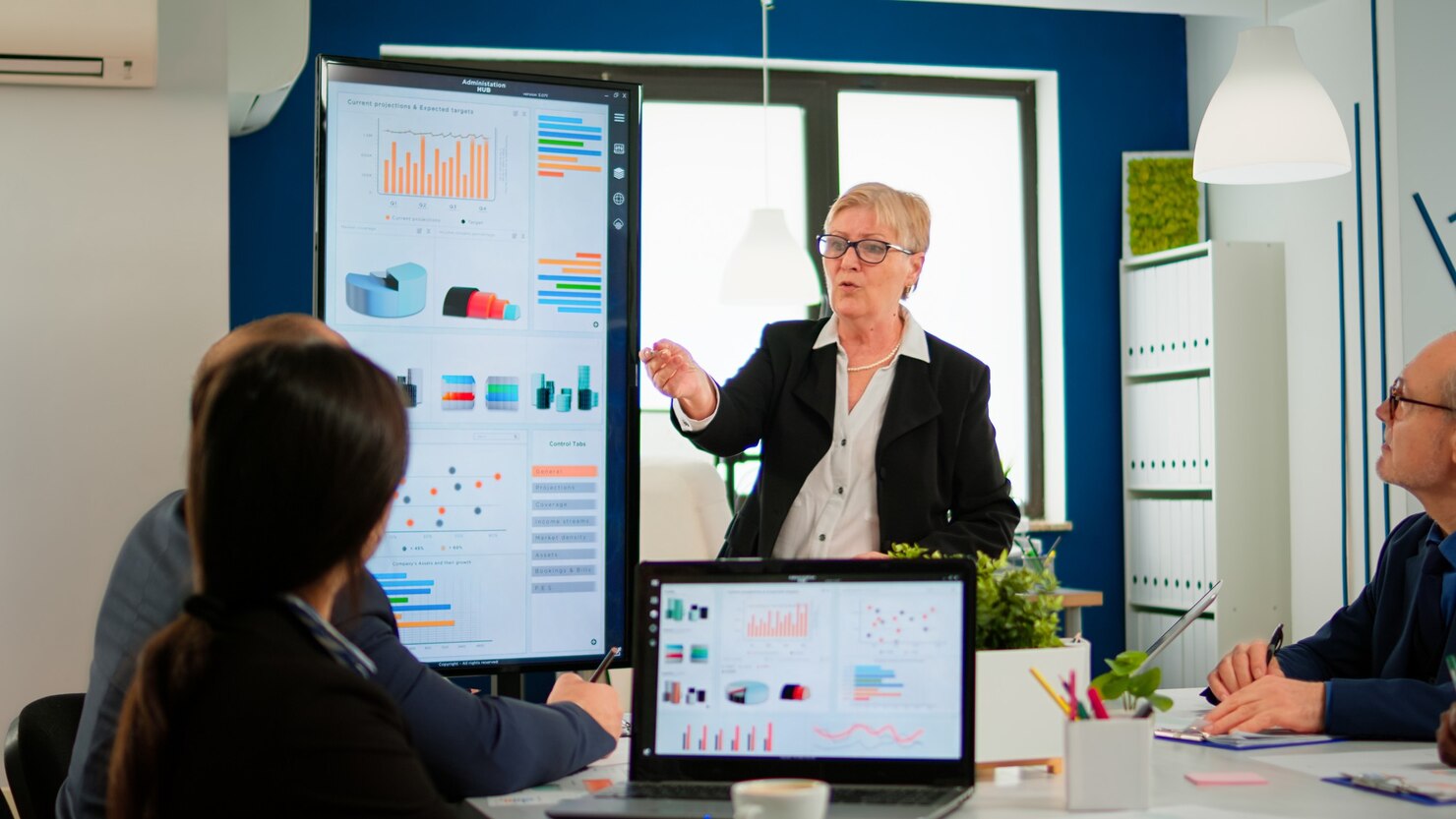
Without scalable governance, automation initiatives can result in fragmented efforts and growing risk exposure. Governance provides the structure to evaluate, prioritize, and monitor automation across functions and geographies. This includes creating standards for technology use, accountability mechanisms, compliance protocols, and oversight structures that prevent duplication or conflicting processes. Strong governance also supports agility by establishing guardrails for experimentation and phased deployment. As automation expands, the ability to manage complexity, ensure alignment with business objectives, and adapt policies becomes critical to long-term success. Well-designed governance keeps transformation controlled, consistent, and compliant.

Is Tech Supporting Strategy?
The right technology should drive your strategic goals—not distract from them. Organizations often fall into the trap of adopting too many tools or chasing trends that aren’t aligned with business needs. Instead, success lies in integrating a well-curated stack of automation, AI, and analytics that supports real-time decision-making and continuous improvement. Technology should enable insights, speed, and scalability—while being flexible enough to evolve with market conditions. Enterprises must evaluate ROI across the lifecycle and ensure interoperability with existing systems. Ultimately, automation must act as a catalyst for business outcomes—not a disconnected initiative.
Intelligent Process Automation for Scalable Efficiency
Sebleu’s Process Automation & Virtualization capabilities empower enterprises to redesign operations through AI, robotics, and digital simulation. From low-code platforms to digital process twins, our approach accelerates decision-making, reduces errors, and enhances real-time responsiveness. We help clients virtualize workflows, automate repetitive tasks, and enable proactive governance across systems.
Enterprise RPA
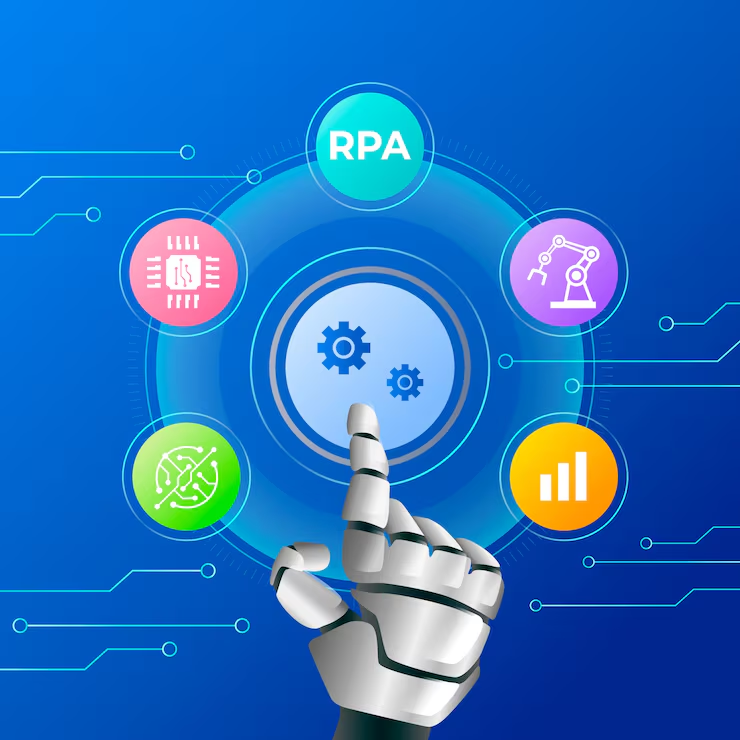
Automate repetitive, rules-based workflows with robotic process automation (RPA) that scales across finance, HR, supply chain,…
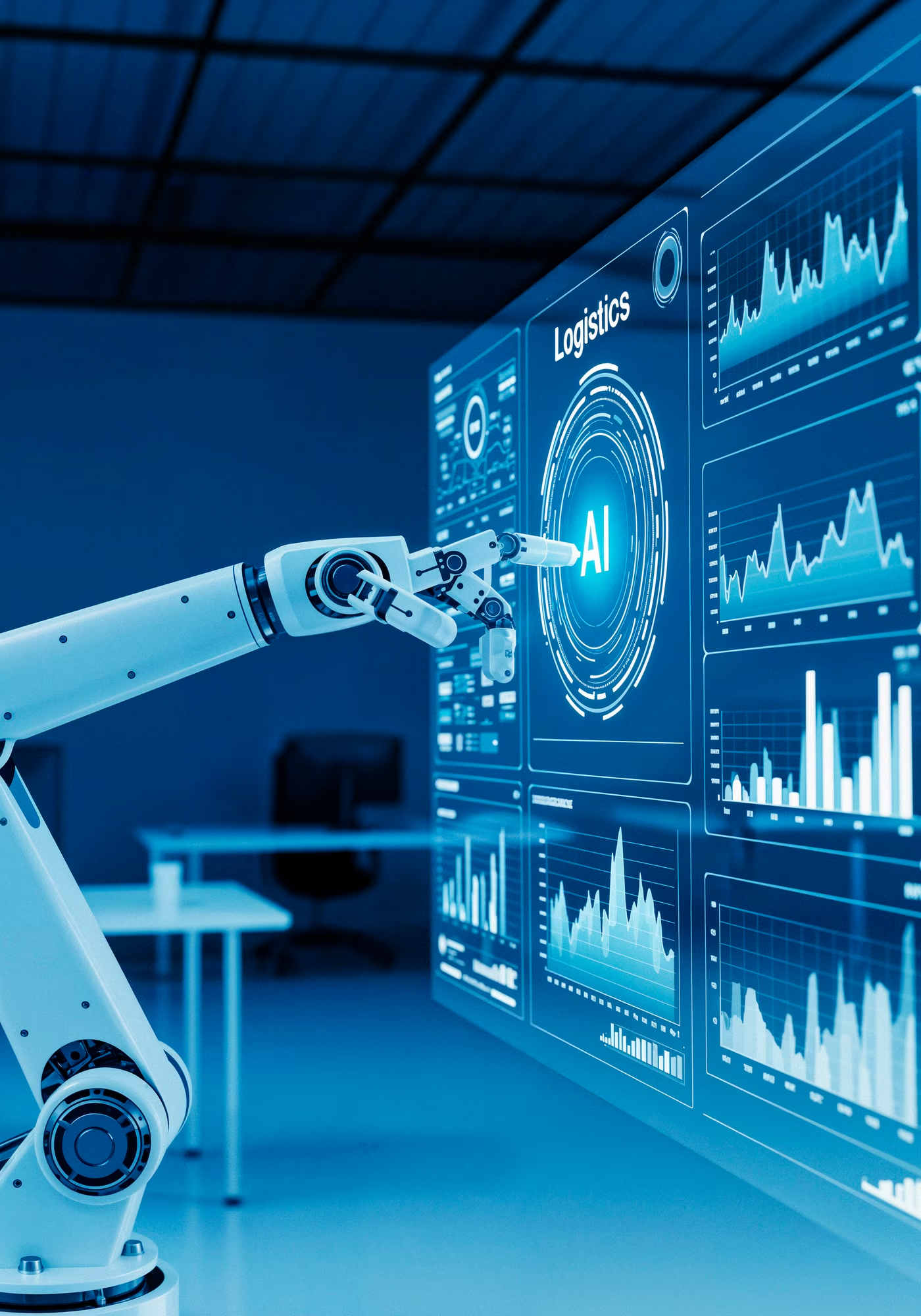
AI Workflows
Infuse business logic with AI-powered decision-making and exception handling. Intelligent workflow engines route, adapt, and optimize…

Virtual Process Twins
Model and simulate business operations before rollout using digital twins. Analyze bottlenecks, test improvements, and drive…

Intelligent Document Processing
Extract, classify, and validate unstructured content from invoices, forms, emails, and contracts using advanced OCR and…

Low-Code Automation
Enable business teams to build and deploy automation using intuitive low-code/no-code platforms. Accelerate innovation while reducing…

Integration Automation
Seamlessly integrate legacy systems, cloud platforms, and applications into unified workflows. Enable synchronized operations across fragmented…

Process Intelligence
Track real-time process execution with event-driven intelligence. Detect inefficiencies, anomalies, and risks proactively to improve agility…

Automation Governance
Establish guardrails, permissions, and audits to ensure responsible automation. Align automated systems with compliance, ethics, and…
Trendsetting Our Process Automation & Virtualization
Emerging technologies like edge-native apps, AI infrastructure, and zero-trust security are redefining automation. These tools enhance speed, compliance, and scalability across distributed operations.
Featured Post
Sorry, there are no posts at this time.
More Post
Sorry, there are no posts at this time.
Process Automation & Virtualization with RPA
Robotic Process Automation (RPA) uses software bots to automate repetitive, rule-based tasks across IT systems—streamlining operations without altering core infrastructure. These bots act as a virtual workforce, improving speed, accuracy, and consistency in business processes.
Ideal for tasks that are digital, high-volume, and error-prone, RPA enhances efficiency, frees up employees for higher-value work, and drives agility at scale.
Why RPA?
- Faster processing and reduced cycle times
- Improved accuracy and consistency
- Scalable automation across functions
- Frees up teams to focus on innovation and customer experience
Enables data-driven insights and continuous improvement
Proven Outcomes in Process Automation & Virtualization
Organisations partner with Sebleu to eliminate repetitive work, strengthen workflow control, connect fragmented systems, and virtualize operations before scaling change. By combining intelligent automation, RPA, document processing, low-code delivery, process intelligence, and governance, Sebleu helps teams reduce friction, improve accuracy, and modernise execution across complex enterprise environments.
The Intelligence Lab Podcast
Where Science, Systems, and Signals Intersect
Tune in to deep, future-focused conversations exploring AI, data, quantum, blockchain, and the technologies reshaping industries and society.